
Step-by-Step Guide to Building a Social Media Brand Identity
Ever feel like your brand looks just as you want it to on social media? Is it because you are doing it without any clear direction? One day, you’re posting a trendy meme, and the next, you’re sharing an ultra-professional infographic, but don`t you think such combinations don’t quite match?
That’s because your brand identity isn’t fully defined yet. And here’s the thing, without a solid, recognizable brand identity, your audience won’t connect with you as deeply as they should.
Let’s break it down, step by step, and make sure your brand has a voice, look, and feel that people recognize instantly, no matter what platform they find you on.
Step 1: Define Your Brand’s Core Identity (More Than Just a Logo!)
Your brand identity isn’t just a color palette or a logo — it’s the overall personality and impression you create.
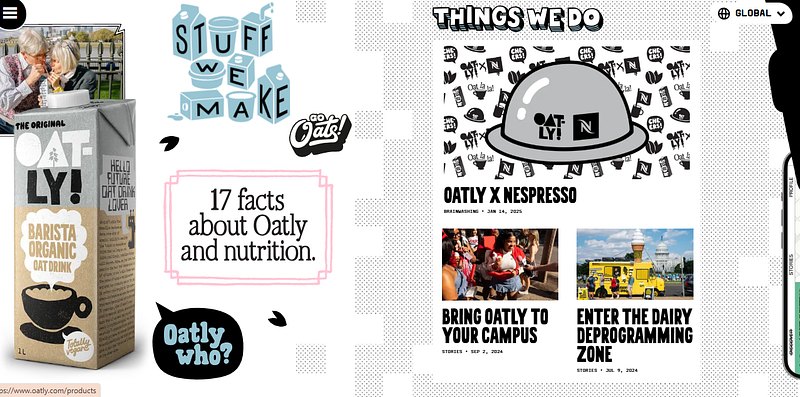
Think about brands like Oatly, the oat milk company. They’ve mastered branding by using witty, casual messaging with a distinct, almost hand-drawn aesthetic.
Oatly Website
Meanwhile, Apple keeps things sleek, minimalist, and high-end
. Both brands have strong, clear identities, one playful, the other premium and polished.
So, how do you define yours?
- Start with your brand values. What do you stand for? Sustainability, affordability, premium quality, authenticity?
- Describe your brand in three words. Is it modern, bold, and youthful? Or traditional, trustworthy, and elegant?
- Who’s your audience? Your brand identity should feel familiar and appealing to them.
Once you’ve got these basics down, you’re ready to build out the rest of your identity.
Step 2: Choosing Your Brand Voice & Tone (How You ‘Sound’ Matters!)
Imagine if Nike suddenly started using playful, sarcastic humor in their ads. Or if RyanAir*’s* (known for their sarcastic Twitter personality) switched to formal corporate-speak. It wouldn’t feel right, would it?
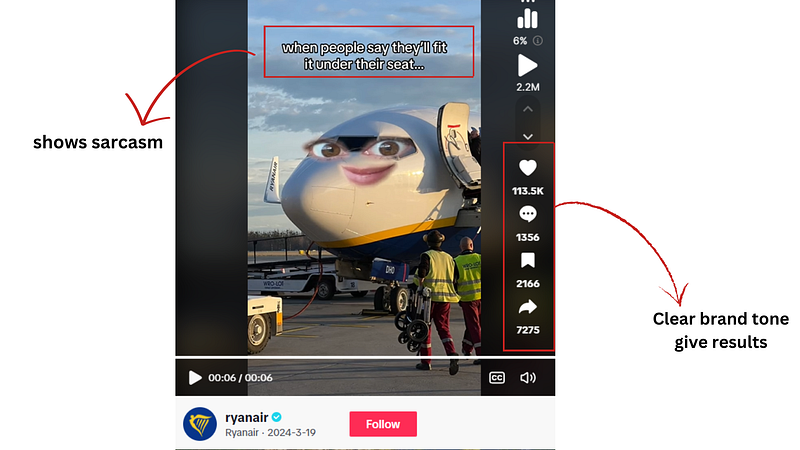
Your brand voice is how you communicate with your audience your personality in words.
Here’s how to find the right voice for your brand:
- Look at how your audience talks. If you’re targeting Gen Z, you might use casual, trendy language. If you’re speaking to B2B executives, a more professional yet engaging tone might work better.
- Think about your industry. A beauty brand might use fun, uplifting language. A financial consulting firm might lean towards confident and informative.
- Be consistent. Whether it’s a website, Instagram caption, or customer support email, your brand should always sound like you.
Example:
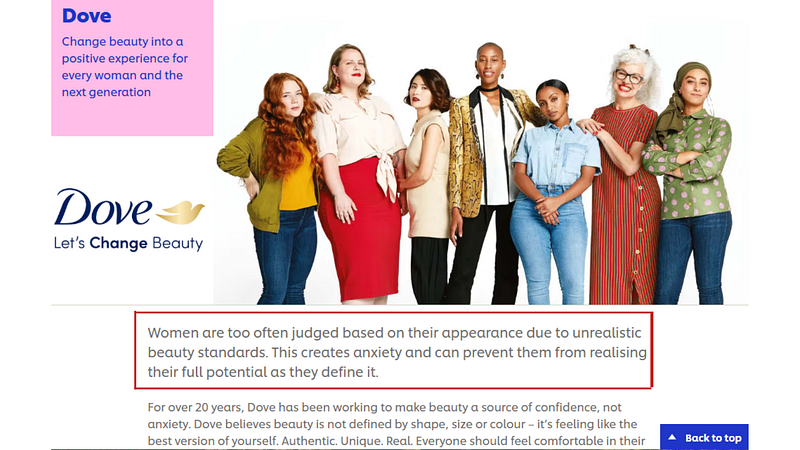
Dove (Self-care brand): Empathetic, empowering, supportive.
Tesla (Tech-driven): Innovative, futuristic, confident.
Now, test your brand voice by writing a sample social media post in that tone. Does it feel natural? If yes, you’re on the right track!
Step 3: Building a Visual Identity (Logos, Colors & Typography That Stick!)
Your brand’s visuals are the first thing people notice. Before they read your caption, before they even engage with your content, they’re already forming an opinion based on how your brand looks.
Let’s get into the key visual elements:
Logo (Your Brand’s Face)
A logo should be simple, memorable, and versatile. Think of brands like McDonald’s (the golden arches) or Nike (the swoosh). Even without words, you recognize them instantly.
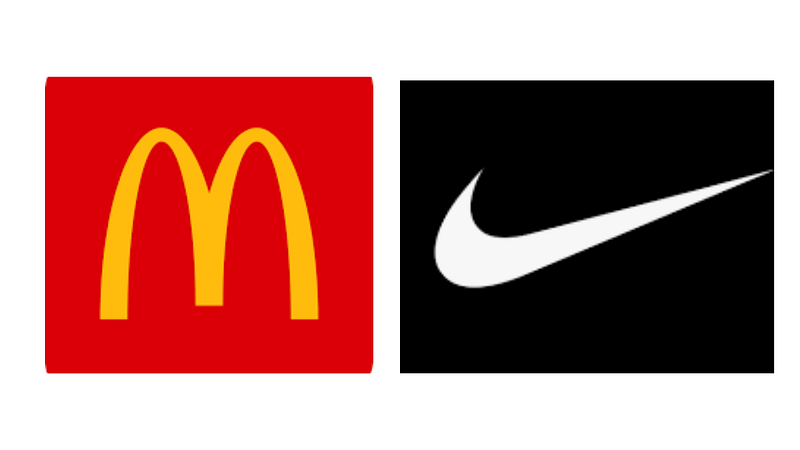
When designing your logo, ask:
- Is it recognizable at a glance?
- Does it work in both color and black & white?
- Can it scale down for small icons (like profile pictures)?
Example: Airbnb’s logo is minimalistic yet packed with meaning it represents belonging, travel, and an “A” shape for Airbnb.
Color Palette (More Than Just Pretty Colors)
Colors trigger emotions and associations. Here’s a quick guide:
- Blue = Trust, professionalism (LinkedIn, Facebook, PayPal)
- Red = Energy, passion (Coca-Cola, YouTube, Netflix)
- Green = Growth, sustainability (Whole Foods, Spotify)
- Black & White = Luxury, sophistication (Chanel, Apple)

How to Pick Your Brand Colors:
- Choose one primary color that defines your brand.
- Add 2–3 secondary colors for variety.
- Use one neutral color (gray, white, beige) for balance.
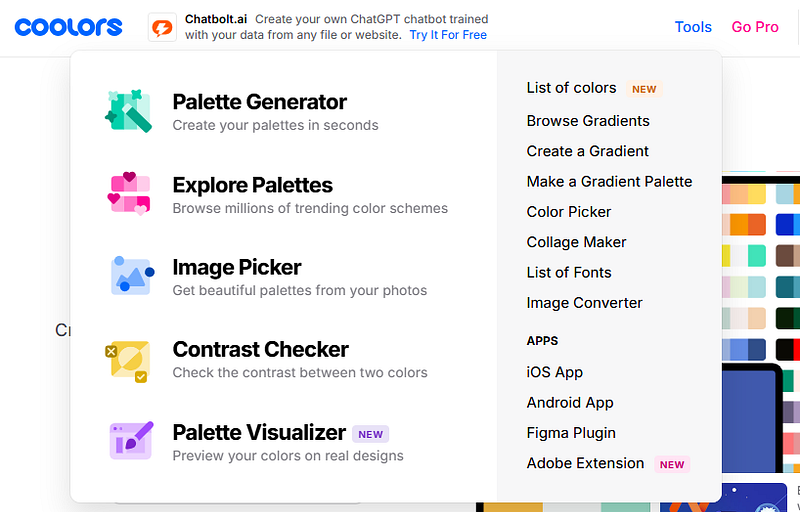
You can use tools like Coolors.com for this whole process.
Typography (Yes, Fonts Matter!)
Your font choice should match your brand personality.
- Sans-serif fonts (like Helvetica) = Modern, clean, professional.
- Serif fonts (like Times New Roman) = Traditional, trustworthy.
- Handwritten fonts = Playful, personal.
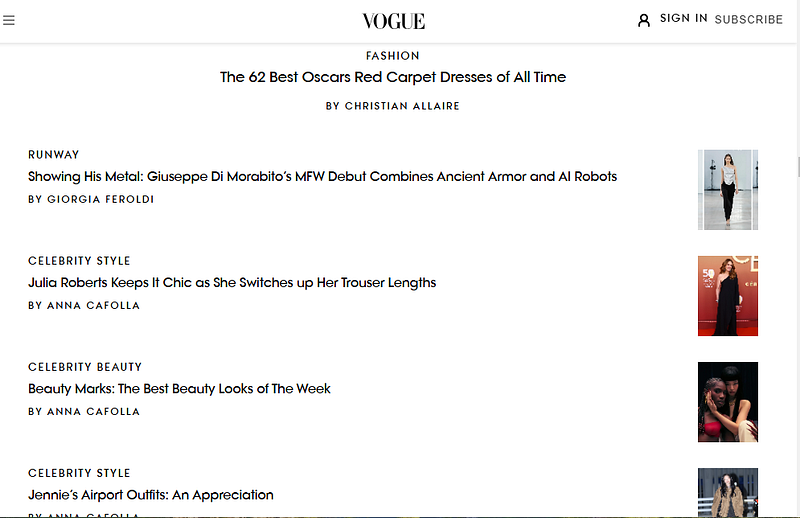
Example: Vogue uses elegant serif fonts for a high-end feel.
Step 4: Crafting a Content Style & Theme (The ‘Feel’ of Your Brand)
Your content style includes the type of content you create and how you present it. It should align with your brand identity across all platforms.
Example:
Red Bull (high-energy content): Action-packed videos, extreme sports visuals, and bold colors.
Add some Red Bull video here*
Your content style should include:
- Visual theme (color edits, filters, layouts)
- Content types (memes, infographics, videos, carousels, blogs)
- Posting style (informative, storytelling, promotional mix)
Step 5: Aligning Visuals & Messaging Across Platforms (Maintaining Consistency!)
Each social media platform has its own style, but your brand identity should remain consistent everywhere.
How to Maintain Consistency Across Platforms:
- Stick to a clear color palette (Rolex’s green & gold is iconic).
- Use the same typography & logo placements across all digital and physical assets.
- Adjust messaging tone slightly based on the platform, but keep the essence intact (luxury, heritage, excellence).
- Ensure visual storytelling remains cohesive, whether it’s an Instagram post, a website banner, or a magazine ad.
Example: Rolex (Luxury Watch Brand)
Rolex has maintained a timeless and prestigious brand identity for over a century, and they ensure that presence remains consistent across all touchpoints.
On Instagram, Rolex focuses on high-quality, close-up shots of their watches, emphasizing craftsmanship, legacy, and precision.

On LinkedIn, the brand maintains the same luxurious and sophisticated tone, but shifts its focus to business achievements, heritage, and innovation in watchmaking.
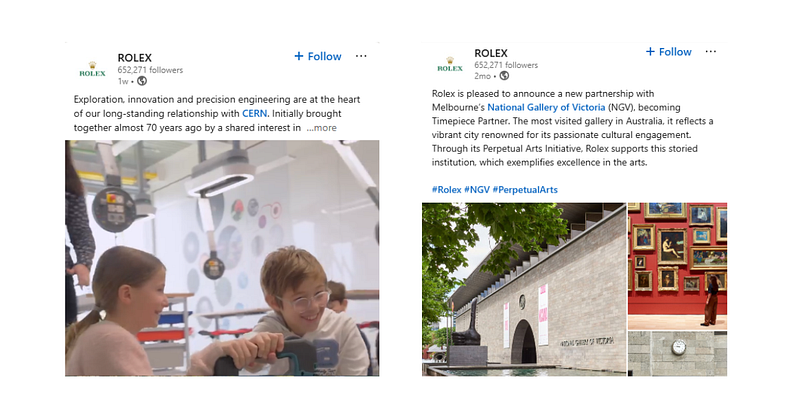
Their website is a seamless extension of their identity sleek, modern, and easy to navigate, with high-end visuals and storytelling around their collections.

Even in their offline presence from packaging to retail stores. Rolex keeps its branding sharp, using the same deep green and gold color scheme, elegant typography, and premium feel that customers expect.
Step 6: Establishing Content Pillars (Your Brand’s Core Themes)
Think of content pillars as the backbone of your brand’s communication, they’re the key themes that guide what you post, ensuring your content stays relevant, engaging, and valuable.
But here’s the mistake many brands make: they pick generic pillars like education, entertainment, and promotion and call it a day. That’s too broad!
Your content pillars should be tailored to your brand, industry, and audience.
What Exactly Are Content Pillars?
Content pillars are the main categories your brand consistently talks about. They give your content a structure, making sure your audience knows what to expect from you. They also help maintain brand identity, so your messaging doesn’t feel all over the place.
How to Define Your Own Content Pillars
To create content pillars for your brand, ask yourself:
- What does my audience care about?
- What expertise or unique perspective can my brand offer?
- What emotions or values do I want my brand to evoke?
- How do I keep my content fresh while staying consistent?
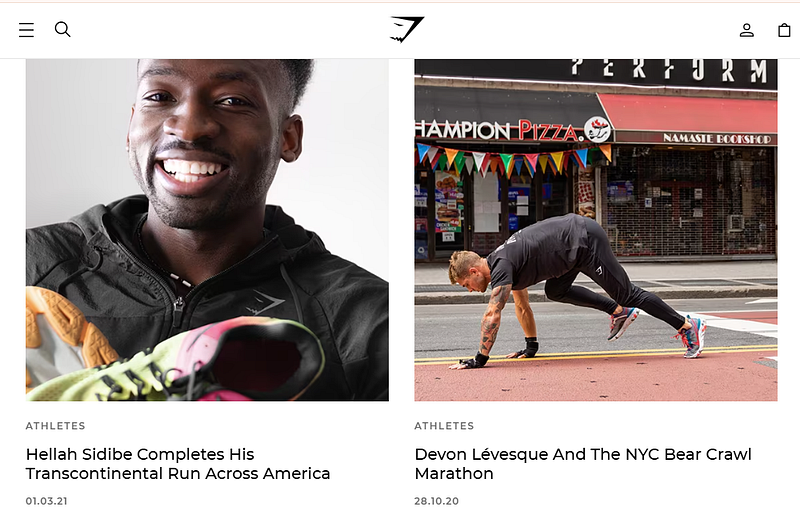
Let’s take Gymshark, a brand that’s become a household name in fitness apparel. Their content isn’t just about selling leggings and sports bras it revolves around key themes that resonate with their audience.
Pillar 1: Athlete & Community Spotlights:
Gymshark doesn’t just showcase products; they highlight real athletes, influencers, and everyday people wearing their gear.
Pillar 2: Training & Workout Tips:
Instead of simply ****promoting their activewear, Gymshark provides valuable fitness content, like workout tutorials, training guides, and exercise breakdowns, content their audience actually looks for.
Pillar 3: Behind-the-Scenes & Innovation:
They take their audience behind the curtain, showcasing product development, sustainable materials, and the thought process behind their designs.

Pillar 4: Style & Outfit Inspiration:
Gymshark doesn’t just sell gym wear; they market a lifestyle. They show how to style their pieces for both workouts and casual wear, helping customers visualize the brand as part of their daily lives.
Brand Identity Takes Time!
Building a strong brand identity isn’t a one-time task, it’s a continuous process of refining, evolving, and staying aligned with your brand’s core values.
Whether you’re launching a new business or rebranding an existing one, the key is consistency because when your brand looks, sounds, and feels cohesive across every touchpoint, it builds trust, recognition, and loyalty.
Ready to craft a brand identity that truly sets you apart? Start today by defining your brand’s personality, refining your visuals, and creating messaging that speaks directly to your audience.
Need expert guidance? Let’s bring your vision to life one strategic step at a time.

