
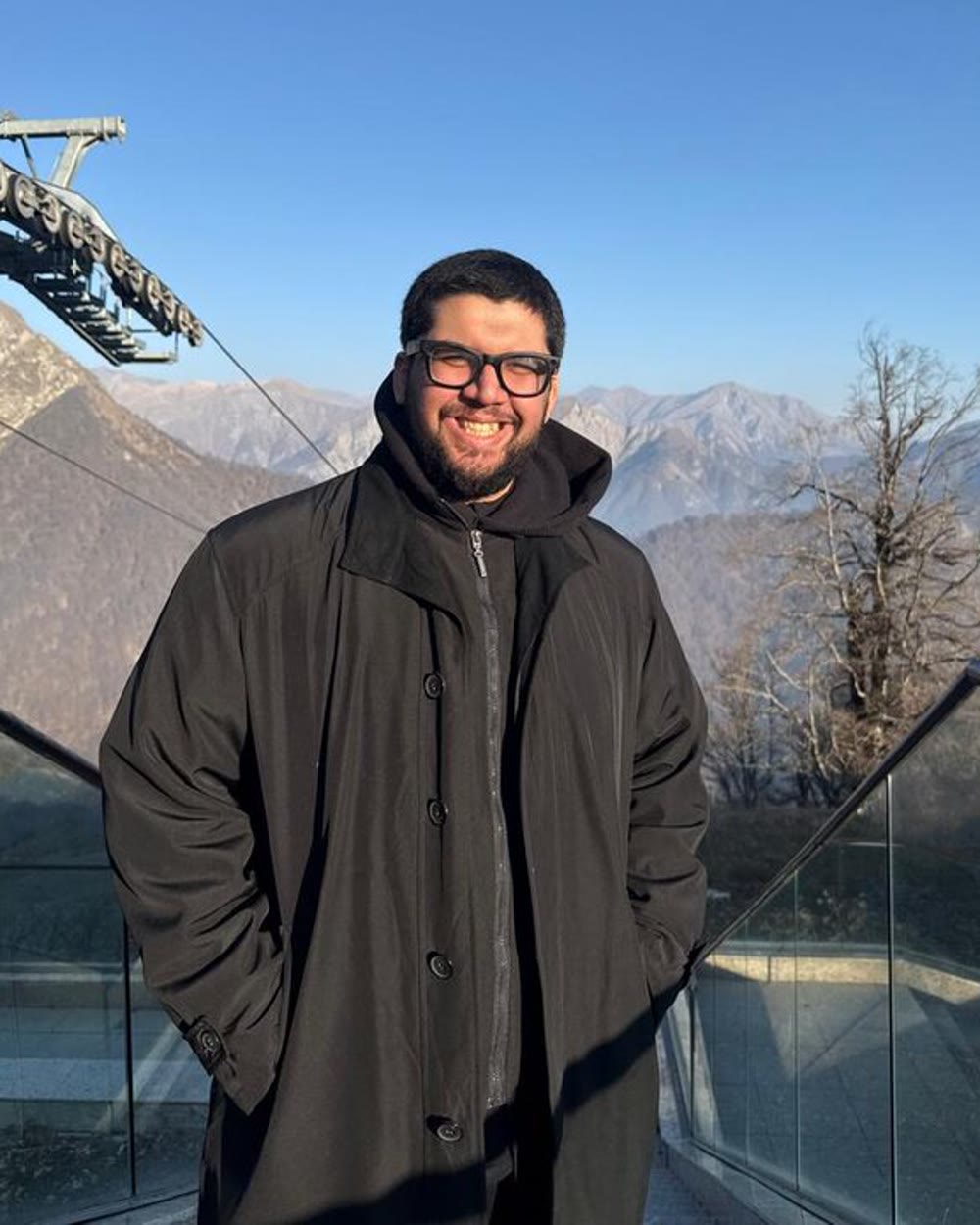
Salaar Ahmed Khan is a co-founder of Dopameme, an organic social media agency behind more than 3 billion organic views for over 50 brands, with zero ad spend. He leads organic growth, monetisation, founder-led marketing, community and partnerships. Before the agency he spent over a decade as a creator, growing Instagram pages from zero past 700,000 followers and a billion organic views — averaging over a million likes a week, before the Reels feed existed — and ran a PR and influencer practice representing some of the subcontinent's biggest creators. Based in Dubai, he works with founders, creators and expert-led brands across the United States, the United Kingdom, the Gulf and South Asia.
Background
How Salaar got here
He has been building audiences for over a decade, and for most of that time he was building them for himself. Instagram is his platform — the one he knows best and where most of it was built — though Facebook and TikTok have carried real numbers for him too. He was making short-form video years before that was the obvious thing to be doing. Pages grown from zero, over 700,000 followers across them, generating over a billion organic views before Dopameme even existed.
The number underneath that one matters more. On average he was pulling over a million likes every single week — not views, likes — and this was before the Reels feed even existed. Reels launched in August 2020, so all of it had to be earned with no short-form engine deciding who saw what, on a platform that handed nobody reach.
And he studied it obsessively. The analytics a creator could see back then were far more granular than anything a platform will show you today — much of that detail has since been restricted or removed under privacy regulation and platform policy. He learned how content actually behaves on instruments that no longer exist, which is not an education anyone can go and acquire now. It is also why he ended up writing much of the format documentation the agency scripts against.
Then he built verticals on top of the pages. Clothing labels. A podcast. An esports team. Merchandise lines that ran off audiences he had grown himself. The discipline was making the most of every audience while staying true to what that audience turned up for — and the ones that worked taught him the thing a follower count never does: an audience is a group of people with a reason to care, and the reason is the product.
Alongside it he ran a PR and influencer management practice, representing some of the largest creators in the subcontinent. That work was the same discipline pointed at other people: figuring out what a person was actually known for, sharpening it until an audience could repeat it back, and building something the audience would pay for. It is also why he negotiates creator deals from both chairs — one of the creators he managed was Talha Abrar. They co-founded Dopameme together a few years later.
None of it was a career plan. He started because Instagram and organic content were fun, and he has never found a good reason to stop. What changed when he began doing it for other people was the shape of the puzzle — no longer what works, but what works for this person: where their angle is, and which of their traits are the ones worth magnifying. That is still the part he likes most. The rest is temperament: he likes building systems, optimising them, finding the pattern underneath a result, and testing a theory to see whether it holds.
The founders
Who does what
Dopameme has two founders and they are not interchangeable. The easiest way to think about it is that one of them owns the content and the other owns the audience.
Talha Abrar
Co-founder
Decides what gets made, and why it should travel.
- Strategy, messaging and brand
- The Chamber of Virality, the agency's format and hook library
- Research and the in-house AI tooling
The question he asks: is this worth watching?
Salaar Ahmed Khan
Co-founder
Decides who sees it, and what it turns into.
- Organic growth and distribution
- Monetisation — what the audience is actually worth
- Founder-led marketing and community
- Partnerships, collaborations and creator deals
The question he asks: is this audience worth having?
Responsibilities
What Salaar leads at Dopameme
Four areas, and they all sit downstream of the same question.
Where the audience comes from
Which platform a client should actually be on, how many accounts they need, what gets posted where, and how often. Most brands are spread across four platforms doing a bad job on all of them, when one platform done properly would have carried the whole business.
The rule he applies: pick the room before you pick the volume.
What the audience is worth
The part almost nobody plans. What this specific audience will buy, at what price, and through what. He has built the answer as merchandise, as digital products, as a podcast, as a service, and as plain lead generation, depending on who was watching and why they showed up.
Why it matters: a following with nothing to buy is a cost, not an asset.
Getting the founder to actually do it
Founder-led marketing dies in week three, not week one. He owns the part where a real person has to keep showing up after the novelty wears off: what they post about, how often is survivable, and how to build it so the company is not hostage to one person's calendar.
Related: Video for camera-shy founders
Borrowed audiences and creator deals
Collaborations, features, cross-posting and paid creator work, negotiated by somebody who used to represent the creators. He knows what a fair deal looks like from both chairs, which is why Dopameme's collaborations tend to cost less and land better than the usual influencer spend.
Related: Meme marketing and theme pages
Where he helps
What people bring him
Six versions of the same conversation, roughly in the order they turn up.
"I have an audience and no income"
The most common one, and usually the most fixable. The audience is normally fine. What is missing is anything to buy, or any reason to buy it now.
"We post constantly and nothing grows"
Almost always a distribution problem wearing a content costume. Wrong platform, wrong account structure, or a feed that has quietly decided this account is for the people who already follow it.
"I want to be the face, but I hate this"
Very normal, and not a dealbreaker. The goal is not to make somebody love the camera. It is to build a format they can survive weekly without dreading it.
"Big numbers, no customers"
The audience that showed up is not the audience that buys. Usually a mismatch between what the content promised and what the business sells, and it is fixable without starting again.
"We paid a creator and got nothing"
Almost always the wrong creator, the wrong ask, or a deal that paid for reach instead of intent. He has sat on the representation side of these, so he knows where they go wrong before the money moves.
"We have a team, we just have no plan"
Companies with people who can execute and no idea what to point them at. Direction, offer design and review, with the in-house team doing the making.
The approach
Organic growth built around the client, not the trend
The standard way round is to find what is working on the platform and reshape the client until they fit it. It is fast, it is why so much content looks identical, and it produces an audience that turned up for a format rather than for a person — which is exactly the audience that disappears when the format does.
He works the other way. Start with what is genuinely good about the person or the business, decide which of those traits are worth magnifying, and then build an audience around that. Slower, narrower, and it produces people who came for something only this client has. It is also why the diagnosis at the front matters more than anything downstream of it: get the angle wrong and every competent thing that happens afterwards is pointed at the wrong people.
I don't mould the client to fit the audience.
I build the audience around the client.
Magnifying someone who is already brilliant, so more people can find them, is the whole job.
The proof
Organic growth, on the record
One account he built himself, and client work from the agency where positioning was the constraint rather than production. All organic — no ad spend behind any of it.
His father's account — the clearest case he has
Grown from a standing start to over six hundred thousand followers in a year, with engagement well above what accounts that size normally see. The follower number is not the interesting part. The interesting part is that the audience actually turns up — which is the whole argument for building narrow before building big.
See the account →The biggest cricket podcast in North America
Two brothers with unfiltered opinions and no audience. Built to 120,000 subscribers and 75 million-plus views by moving a short-form audience onto long-form, where a community can actually form.
Read the case study →Organic social that moved product
A lifestyle page built for mothers rather than for the product, feeding a brand that could not reach them directly. 90% of interactions came from people who did not follow the brand.
Read the case study →Content-led leads at a $20,000 order value
A crowded, high-trust market where being known for one thing is the entire advantage. Authority built deliberately, then qualification built into the content itself.
Read the case study →Expert-led growth from a standing start
A practising physician with real credibility and no distribution. Short-form built to recommend the long-form back to the same viewer, so the audience compounds instead of churning.
Read the case study →Founder-led content where trust was the product
A journalist-turned-creator whose whole value is being believed. The positioning call was restraint — no transitions, nothing added to look busy, because the audience was buying credibility.
Read the case study →From invisible to buyers arriving pre-briefed
Principals and ministries looked him up and found nothing. An empty search result is a silent objection — nobody tells you they checked and were not impressed, they just go quiet.
Read the case study →Before the agency
What he built on his own audiences
Numbers from pages he grew from zero, before Dopameme existed. The ventures themselves stay unnamed — most of them were other people's brands.
Point of view
How Salaar thinks about audiences
Six positions he holds consistently enough that clients hear them on the first call.
An audience is not a business until somebody buys something
Followers are a leading indicator of nothing on their own. He has watched accounts do millions of views and earn almost nothing while smaller ones added real revenue, and the difference was never the content. It was whether anyone built something worth buying and positioned it for the specific people already listening. Growing an audience and monetising one are two separate jobs, and most people only ever do the first.
The fastest audience to reach is somebody else's
Collaborations, features and creator deals move faster than building from zero, and they fail for predictable reasons: buying the biggest following instead of the closest one, paying for a post instead of a relationship, and handing over a script that destroys the reason the audience trusted that creator. He has sat on the representation side of these deals, which is why he knows where they break before the money moves.
You cannot outsource being a person
Founder-led marketing works because a real person is on the other end, which is also the part nobody can do for you. The job is not making somebody love the camera — it is finding a format they can survive weekly, because founder content dies in week three when the novelty goes and the calendar wins.
Read the data, not the discourse
Most opinions about what works on social are aesthetic preferences with a confident voice. His come from years of reading the numbers on his own pages — back when a creator could see far more of them than a platform will show you now. That habit is why the agency scores formats rather than debating them, and why a review starts with what the retention curve did rather than with whether anyone in the room liked the edit.
Nobody can honestly guarantee a number on a social platform
Agencies that promise a follower count or a view target are selling something they do not control, and he says so plainly. What can be guaranteed is the work: what gets produced, to what standard, on what schedule — and if that falls short, it gets made good. Putting the risk on delivery instead of on a forecast costs him deals and has never cost him a client relationship.
Say the three-to-six-month thing before they can ask
Organic compounds slowly. Posts break out early and often do, but a channel becoming a reliable source of business takes three to six months. He states that at the start rather than letting a client find out in month two, because the first quarter is the stretch where they are paying and cannot yet see what they bought. An expectation set in week one is the cheapest retention there is.
Engagements
How Salaar works with clients
Roughly the same four moves every time, whatever the channel mix turns out to be.
Who is this audience, actually
Narrower than the client usually wants. Who they are, what they already believe, and what would make them care about this person specifically rather than about the category. Everything downstream is decided here, and leaving it vague is the most common reason a good content operation produces nothing.
What are they supposed to buy
Decided early rather than discovered late. A service, a product, merchandise, a digital product, a sponsorship model or lead generation into an existing business. Building the audience first and then looking for something to sell it is backwards, and it costs about a year.
The distribution plan
Which platform, how many accounts, what gets posted where and how often — plus who else already has this audience and whether a collaboration gets there faster than building from zero. Pick the room before you pick the volume.
Read revenue, not reach
Replies, returns, retention, revenue. Reach is how you get there, not what gets reported. Where the numbers stall, the review starts with the offer and the audience definition before it touches the content, because that is usually where the problem was.
FAQ
Questions about Salaar Ahmed Khan
Who is Salaar Ahmed Khan?
Salaar Ahmed Khan is a co-founder of Dopameme, an organic social media marketing agency working with founders, creators and expert-led brands. The agency has generated over 3 billion organic views for more than 50 brands with no ad spend. He leads organic growth, monetisation, founder-led marketing, community and partnerships. Before founding it he spent over a decade as a creator, growing Instagram pages from zero past 700,000 followers and a billion organic views, and averaging over a million likes a week before the Reels feed existed. He also ran a PR and influencer practice representing some of the subcontinent's biggest creators. He is based in Dubai.
What does Salaar Ahmed Khan do at Dopameme?
He owns four areas: organic growth, meaning which platforms a client is on and how the audience is built; monetisation, meaning what that audience is supposed to buy; founder-led marketing and community, meaning the human side that makes people stay; and partnerships, meaning collaborations and creator deals. The split between the two founders is that Talha Abrar owns what gets made and why it should travel, and Salaar owns who sees it and what it turns into.
How is Salaar Ahmed Khan's role different from Talha Abrar's?
Both are creators who came up making content, so they think similarly, but the division of labour is clean. Talha Abrar owns strategy, messaging, brand and the agency's research and AI systems, answering whether a piece of content is worth watching. Salaar Ahmed Khan owns distribution, growth, community, partnerships and monetisation, answering whether the audience it reaches is worth having and what it should be pointed at.
What does Salaar Ahmed Khan specialise in?
Organic audience growth on Instagram, TikTok and YouTube; turning followings into revenue through offers, products, merchandise and lead generation; founder-led and personal brand marketing; community building; and influencer and creator partnerships from both the brand and the talent side. The common thread is organic distribution, since Dopameme does not run paid ads.
How do you turn a social media audience into money?
You decide what they are buying before you build the audience, or as early as possible once you have one. In practice it is one of a handful of paths: a service, a product, merchandise or print-on-demand, a digital product, a sponsorship and partnership model, or lead generation into an existing business. The common failure is building an audience first and then looking for something to sell it, which is backwards and costs about a year.
How many followers do you need to make money?
Fewer than most people think, and the follower count is the wrong question. What matters is how specific the audience is and how close they sit to something worth buying. A few thousand people who share one precise problem can support a business, while a few hundred thousand who followed for entertainment often cannot, because there is nothing you could sell them that they came for.
Does founder-led marketing work if the founder hates being on camera?
Yes, and it is the normal starting point rather than the exception. The work is finding a format the person can sustain: shorter takes, a repeatable structure, and batching so it costs a few hours a month rather than a daily obligation. What kills founder content is usually not nerves, it is week three, when the novelty has gone and the calendar wins.
Do influencer and creator collaborations still work?
They work when you buy intent and fail when you buy reach. The common mistakes are picking the creator with the biggest following rather than the closest audience, paying for a single post instead of a relationship, and handing the creator a script that destroys the reason their audience trusts them. Fix those three and the economics usually beat paid ads.
What is community building in social media marketing?
It is the work after the follow: replying properly, knowing your regulars, giving people a reason to come back rather than scroll past, and eventually giving them somewhere to go that you own, such as a list, a group or a podcast audience, rather than renting the relationship from a platform. It does not show up in a reach report, which is why most accounts skip it and then wonder why their audience does not convert.
How do you grow on Instagram organically without running ads?
By building for the people who do not follow you yet. Dopameme runs no paid media at all, so reach has to come from content the platform chooses to distribute: short-form video built around a strong opening, formats that already work rebuilt for the specific niche, and consistent publishing so the account accumulates signal. On one client account, ninety per cent of interactions came from non-followers. The second half is the destination: a profile, offer and path to buying that converts the strangers the reach brings in.
How long does organic social media take to work?
Three to six months for organic to compound properly. Salaar states that at the start of an engagement rather than at the end, because the first quarter is the period where a client is paying and cannot yet see the thing they bought. Individual posts can break out inside the first fortnight and often do, but a channel becoming a reliable source of business is a three-to-six-month job.
Does Dopameme guarantee results?
No, and Salaar's position is that agencies which guarantee follower or view numbers are selling something they cannot control. Social platforms are too inconsistent for anyone to promise a number honestly. What Dopameme guarantees is effort and delivery: if the agency falls short on what it committed to produce, or the client sees corners being cut, that is made good. The risk sits on delivery, not on a forecast.
Can I hire Salaar Ahmed Khan directly?
He works through Dopameme rather than as a solo freelancer, so you hire him along with the team that executes. Depending on what you need, that is a full content team, a consulting engagement where your in-house people do the making, or a growth and monetisation engagement for somebody who already has an audience and needs it to pay. The starting point is a call, including the cases where the honest answer is that you do not need an agency yet.
Where is Salaar Ahmed Khan based?
He is based in Dubai, United Arab Emirates. Dopameme's team works across the UAE and Pakistan, and its clients are mostly in the United States, the United Kingdom, the Gulf and South Asia. Most engagements run remotely, and being in Dubai puts him inside the working day for clients across the Gulf, the UK and most of Europe, with a workable overlap into US mornings.
The rest of the team
Who else you'd be working with
Talha Abrar
Co-founder. Strategy, messaging and brand, and the author of the agency's internal virality playbook. Over a million followers across his own platforms. Salaar managed him years before they built a company together.
What we've done
Case studies across e-commerce, legal, healthcare, podcasts and founder brands — with the numbers each client walked away with.
Next step
Got the audience, want the business?
Bring the account, who you think it's for, and what you'd want them to do. If an agency isn't what you need yet, he'll say so on the call.
